computertipsguru@gmail.com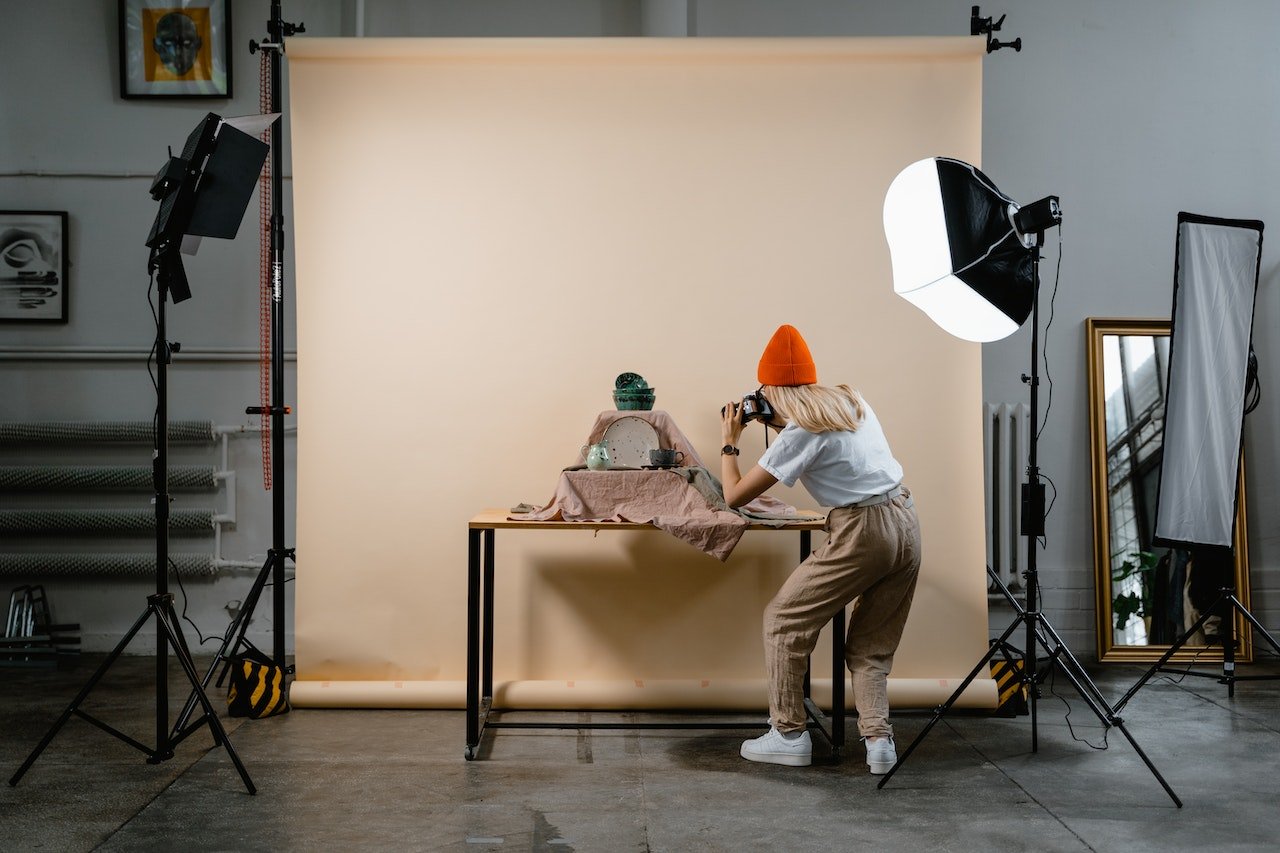
Online shoppers can’t touch, try, or examine your product in person — photos are doing all that persuasive work for you. Good ecommerce product photography tips aren’t about expensive equipment; they’re about a handful of details most sellers overlook.
I’ve seen identical products sell dramatically differently purely based on photo quality between two sellers on the same marketplace. It’s genuinely that impactful.
Why Product Photography Matters So Much
A quick answer: Product photography directly affects buyer trust and conversion rates — blurry, poorly lit, or inconsistent images make customers assume the product (or seller) isn’t reliable, even when it actually is.
Related signal: How to Start Dropshipping Business in India · Inventory Management Tips for Small Retail Businesses · How a Kirana Store Went Digital and Grew Sales
1. Use Natural Light Whenever Possible
You don’t need a professional studio setup. Shooting near a large window during daytime, with diffused light (avoid harsh direct sunlight), often produces better results than artificial lighting on a budget.
2. Keep a Clean, Consistent Background
A plain white or neutral background keeps focus entirely on the product. Consistency across your listings also makes your store look more professional and trustworthy as a whole.
3. Show Multiple Angles
Picture buying a jacket online and only seeing the front view — you’d probably hesitate, wondering what the back or sleeves look like. Include front, back, side, and close-up detail shots for texture or unique features.
4. Include Scale and Context Shots
A product photo alone doesn’t always convey actual size. Include a shot showing the product in use, or next to a common object, so buyers accurately understand dimensions.
5. Edit Lightly, Don’t Over-Process
Basic editing — brightness, contrast, cropping — improves photos significantly. Over-editing that makes colors look unrealistic, though, often backfires when the delivered product doesn’t match the photo.
Simple equipment that genuinely helps:
- A basic tripod (even a phone tripod under ₹500 stabilizes shots significantly)
- A plain white bedsheet or poster board as an impromptu backdrop
- Free editing apps like Snapseed or Canva for basic touch-ups
[link to related guide on how to write product descriptions that sell here]
Video and 360-Degree Views Are Increasingly Expected
Beyond static photos, short product videos or 360-degree spin views have become genuinely helpful for reducing return rates, especially for clothing, accessories, and furniture categories.
[link to related article on best payment gateways for e-commerce businesses in India here]
FAQ
Do I need a professional camera for good product photos? Not necessarily — modern smartphone cameras, combined with good lighting and a steady shot, produce genuinely solid results for most small e-commerce sellers.
How many photos should each product listing have? Generally 4-8 photos covering multiple angles, close-ups, and context shots work well for most product categories.
What’s the most common product photography mistake sellers make? Poor or inconsistent lighting, which makes even good products look unprofessional or untrustworthy.
Should I hire a photographer or do it myself? Small sellers can often start DIY with natural light and basic editing; hiring a photographer becomes worthwhile as volume and budget grow.
Do product videos really increase sales? Yes, generally — they reduce buyer uncertainty and can noticeably lower return rates for categories like apparel and furniture.
How important is background consistency across a whole store? Quite important — consistent backgrounds create a more professional, trustworthy overall storefront impression.
Conclusion
Investing time in better product photography is one of the highest-return improvements a small e-commerce seller can make, often without spending much money at all. Try reshooting your best-selling product this week using natural light and a clean background — the difference is usually noticeable immediately, both to you and to potential buyers.