computertipsguru@gmail.com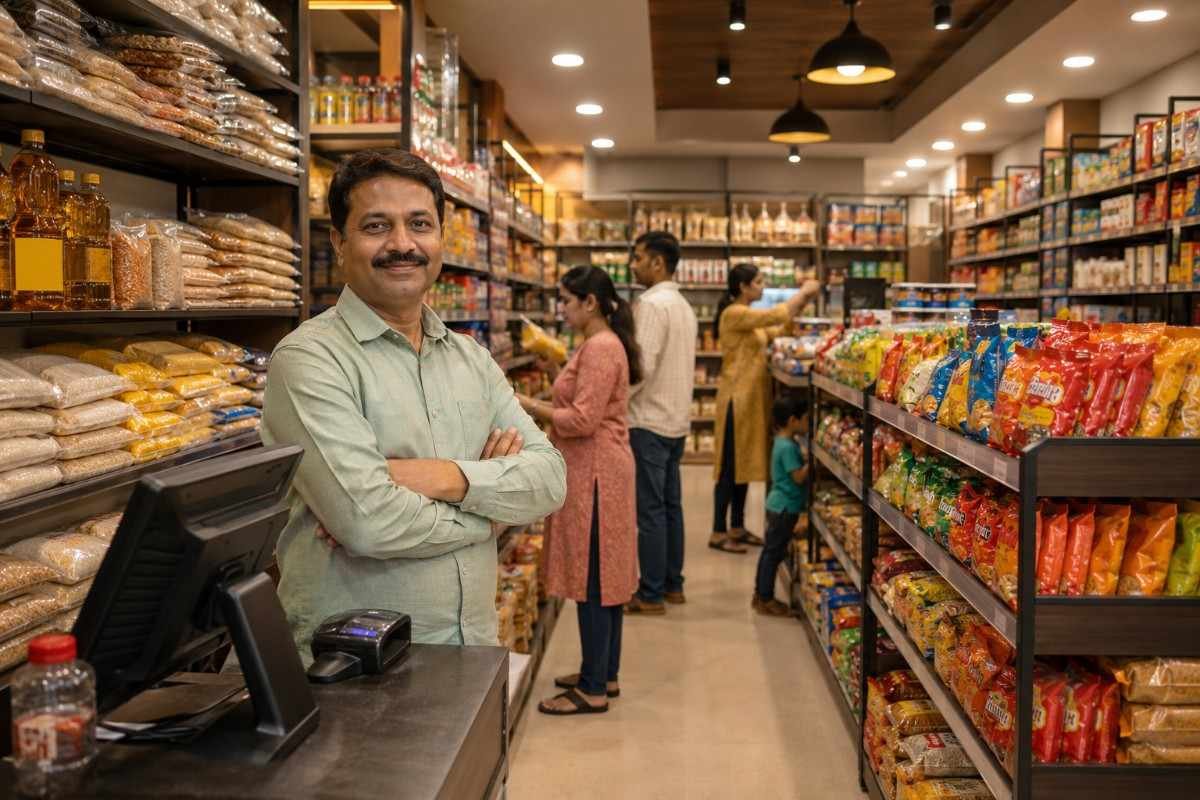
Not every business transformation story needs to be a flashy startup unicorn tale. Sometimes the most instructive examples come from small, everyday businesses. This kirana store digitization case study looks at how a modest neighborhood shop adapted to changing customer habits and came out stronger for it.
I find these local stories more useful than big-brand case studies, honestly — they reflect challenges most small business owners in India actually face day to day.
The Starting Situation
A quick answer: A traditional kirana store facing declining footfall from nearby supermarkets and online grocery apps adopted basic digital tools — WhatsApp ordering, digital payments, and local delivery — to compete effectively without a large budget.
Related signal: How an Indian SaaS Startup Found Product-Market Fit · How to Rank on Google Maps for Local Business · WhatsApp Marketing Strategies for Small Businesses
The Problem: Losing Customers to Convenience
The store, run by a family for over two decades, began noticing a steady decline in regular customers. Nearby residents were switching to grocery delivery apps purely for convenience — not necessarily better prices, just easier ordering.
Step 1: Accepting Digital Payments
Picture a younger customer standing at the counter, realizing they had no cash and the store didn’t accept UPI. That single frustrating moment repeated often enough that the owner finally set up a UPI QR code — a simple, nearly free change that immediately reduced lost sales from payment friction.
Step 2: Starting WhatsApp-Based Ordering
The store created a simple broadcast list where regular customers could message their grocery list directly. The owner’s son handled order compilation and delivery within a two-kilometer radius using a bicycle.
Related signal: Guerrilla Marketing Ideas for Small Businesses on a Budget
Step 3: Building Basic Online Visibility
Setting up a Google Business Profile — completely free — meant the store started appearing in local “grocery near me” searches, something it had never benefited from before.
Step 4: Offering Small Loyalty Incentives
A simple punch-card style loyalty system (digitally tracked via a spreadsheet) rewarded regular WhatsApp orderers with small discounts, encouraging repeat business over one-off app usage.
The Results
Within about eight months, the store reported a noticeable increase in average monthly revenue, with WhatsApp orders becoming a meaningful portion of total sales — all without spending on expensive technology or delivery infrastructure.
Key lessons from this case:
- Small, low-cost digital changes can meaningfully offset competition from larger platforms
- Personal relationships (the owner knowing regular customers by name) remained a genuine competitive advantage digital platforms couldn’t replicate
- Consistency in offering the new digital options mattered more than any single flashy feature
[link to related guide on WhatsApp marketing strategies for small businesses here]
What Other Small Businesses Can Learn
You don’t need a massive technology budget to compete with larger, well-funded competitors. Identifying the specific friction points driving customers away — and fixing them with simple, affordable tools — often works better than trying to copy a big platform’s entire approach.
[link to related article on how to rank on Google Maps for local business here]
FAQ
What digital tools did the kirana store use in this case study? UPI payments, WhatsApp for ordering, and a free Google Business Profile were the primary tools used.
How much did this digital transformation cost the business? Very little — most changes relied on free or nearly free tools already available, rather than expensive custom technology.
Can other small local businesses replicate this approach? Yes, this general approach (digital payments, WhatsApp ordering, local search visibility) applies well to many small, local businesses beyond kirana stores.
How long did it take to see meaningful results? Around eight months for noticeable, consistent revenue improvement, though smaller benefits (like reduced payment friction) appeared almost immediately.
Did the store need to hire additional staff for delivery? No, the case study shows a family member handling deliveries within a small radius, keeping costs low during the initial transition.
Is this kind of digitization still relevant given how big grocery delivery apps have become? Yes, if anything it’s more relevant — small businesses need these low-cost digital tools specifically to remain competitive against larger delivery platforms.
Conclusion
This kirana store digitization case study shows that meaningful business transformation doesn’t always require large investment or complex technology — sometimes it just requires paying attention to specific customer frustrations and addressing them with accessible tools. If you run a small local business, consider which single friction point, if fixed this month, might make the biggest difference for your customers.